

Most people will suffer from some form of Lower Back Pain in their life, and many will experience the symptoms of Sciatica as well.
Sciatica is a condition where pain is not only evident in the back but is also referred into areas of the buttocks, thigh, and lower leg. Lower Back Pain alone is often caused by tight, inflamed or spasmed muscles, and is usually associated with joint stiffness and inflammation. Sciatica can be produced from the same structures but can also be a result of disc bulge, disc herniation, degeneration of the spine, masses on the spine and pelvic misalignment.
A common cause of Lower Back Pain and Sciatica is poor muscular flexibility due to repetitive sedentary lifestyle. Many hours spent at a desk or behind a steering wheel lead to joints and muscles becoming chronically restricted. Usually, a simple task like brushing your teeth or picking up a sock can set-off back pain because the muscles and joints are too stiff to move in the forward-bending direction. A person with poor lower back flexibility (particularly bending forward) is at greater risk of serious pain and possible Sciatica when undertaking more strenuous activity like gardening, running, tennis etc.
As our days are predominantly spent sitting and standing, the lower back becomes straighter and if left untreated will become more and more difficult to bend forward. Not only is back pain likely to occur but more strain is placed on the buttocks and hamstrings (back of thighs) when bending.
Low back pain is a common issue that can develop from poor posture, weak core or hip muscles, joint stiffness, overuse, or sudden strain. It may also result from repetitive movements or age-related changes in the spine. Often, the cause of pain isn’t just the lower back itself, as problems in the hips, pelvis, or legs can contribute.
Sciatica occurs when the sciatic nerve is irritated or compressed, often causing pain, tingling, or numbness that radiates from the lower back down the leg. Osteopathy can help by assessing the spine, pelvis, and surrounding muscles to reduce nerve irritation. Treatment may include joint mobilisation, soft tissue release, posture correction, and exercises to relieve pressure on the nerve and support long-term recovery.
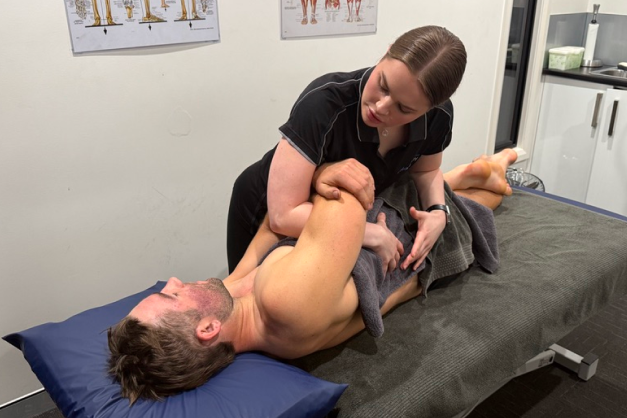
A typical low back osteopathy session includes a full assessment of your posture, joints, and movement. Treatment may involve gentle joint mobilisations, soft tissue release, muscle energy techniques, and personalised exercises. The goal is to reduce pain, restore mobility, and help you manage or prevent recurring low back issues.
Even when X-rays or MRIs show no significant issues, low back pain can be caused by muscle tension, joint restrictions, nerve irritation, or poor movement patterns. Osteopaths focus on how your body moves as a whole, identifying mechanical problems that imaging cannot show and addressing them to relieve pain effectively.
Yes, low back pain is often linked to posture and the function of the legs and hips. Weak glutes, tight hamstrings, or limited ankle mobility can place extra stress on the lower back. Osteopathy treats the entire musculoskeletal system to improve alignment, movement, and long-term spinal health.
Experience osteopathy care in Wantirna. We treat pain, injuries, and mobility issues with hands-on care and tailored solutions. Get back to feeling your best—discover how we can help today!


Proudly sponsoring


